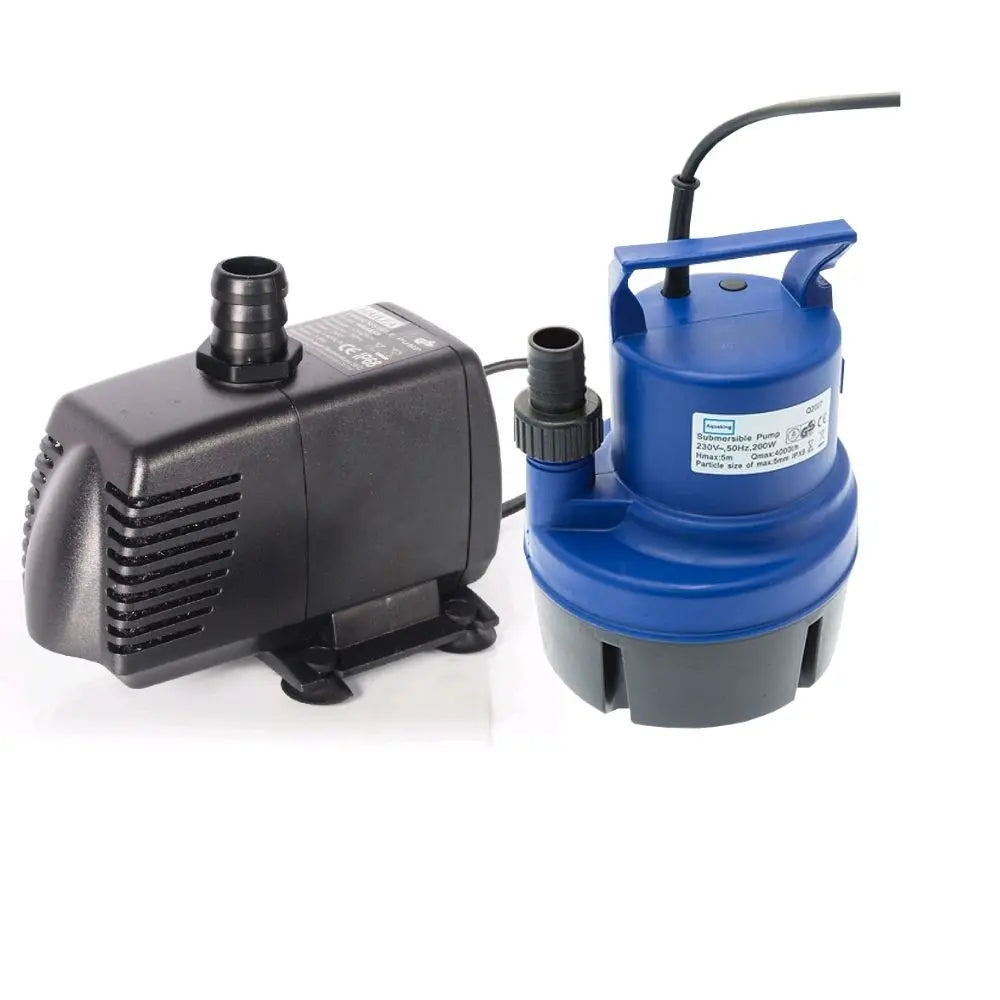
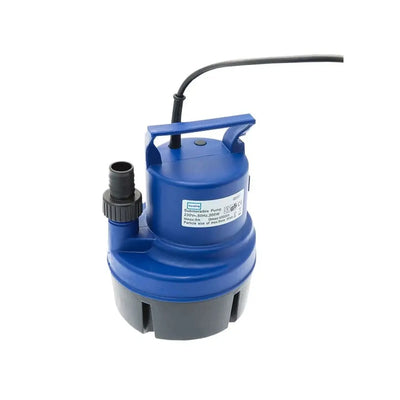
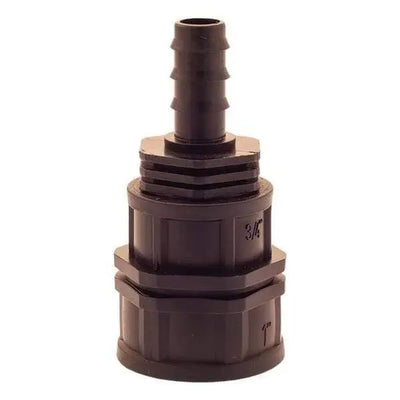
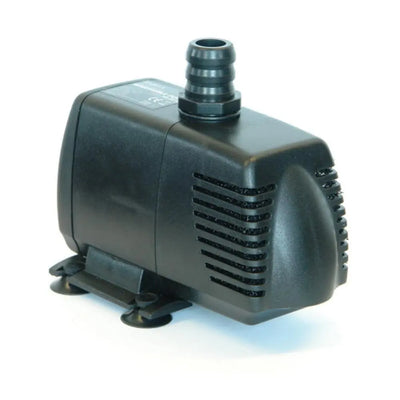
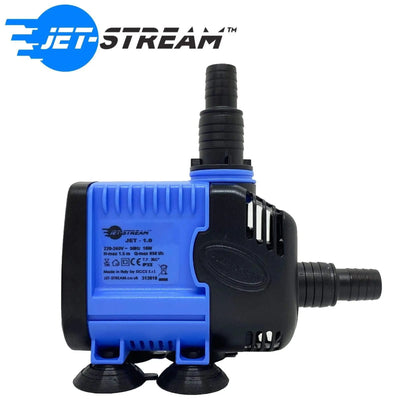
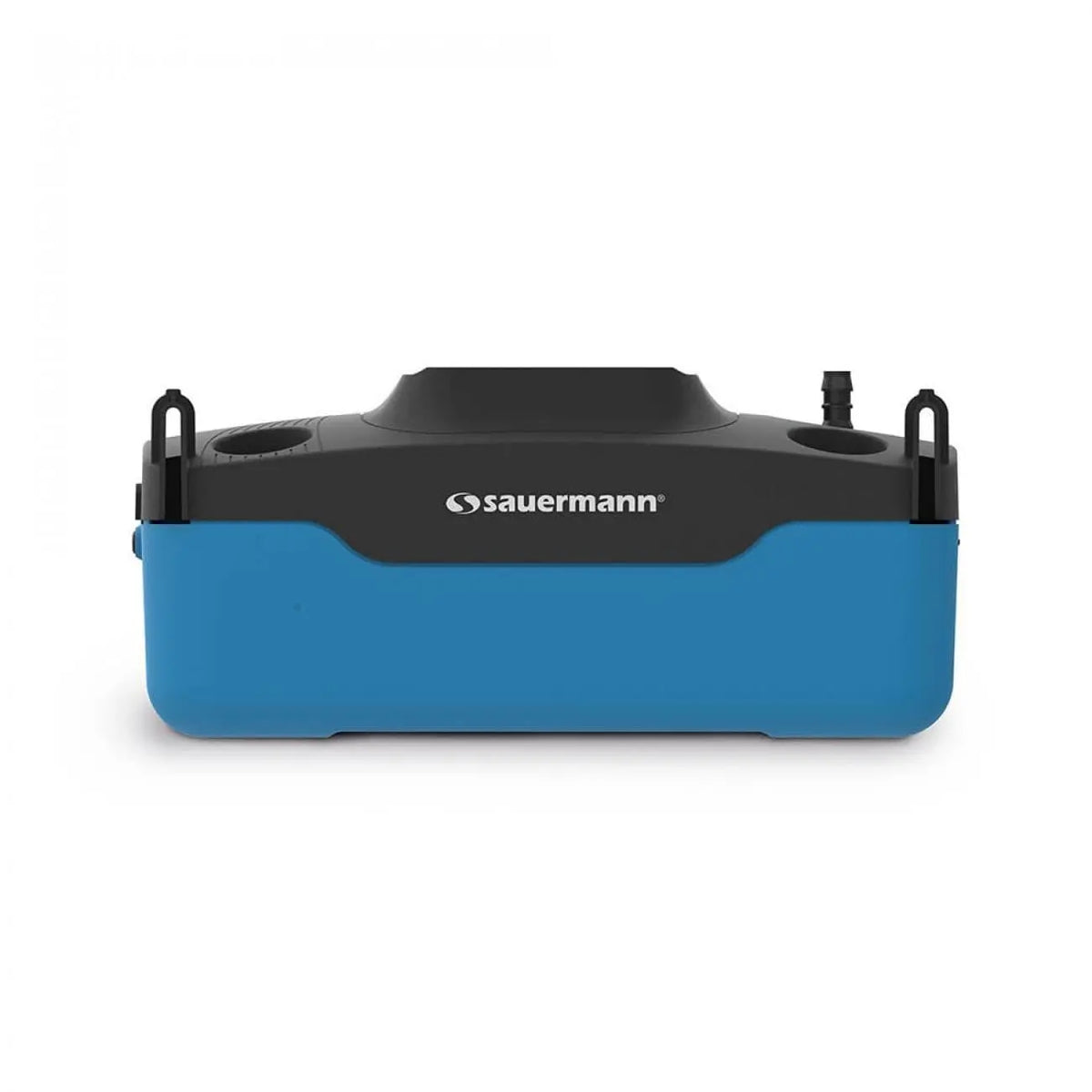
Water pumps move nutrient from the tank to the plants, and in a recirculating system they also keep the reservoir mixed and oxygenated. Getting the size right matters more than the brand – an undersized pump starves the far end of the system, and an oversized one wastes electricity and heats the tank.
Sizing a pump
Two numbers matter and both are on the box:
Flow rate (L/hour) – how much it moves at zero height.
Head height (m) – how high it can lift. Flow drops sharply as height increases, so a pump rated 2,000 L/h at 0m might manage 800 L/h at 1.5m.
Work out how high the water must actually rise from tank to the highest dripper, add a margin for friction in the pipe, and size on the flow at that height rather than the headline figure. This is the single most common pump sizing mistake.
Use
Typical flow needed
Small drip system, 4-6 plants
600-1,000 L/h
Flood and drain tray
1,000-3,000 L/h – fill speed matters
Reservoir circulation only
400-800 L/h continuous
Large multi-tray room
3,000 L/h+
Submersible or inline?
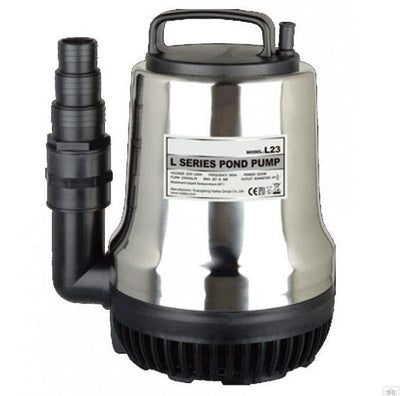
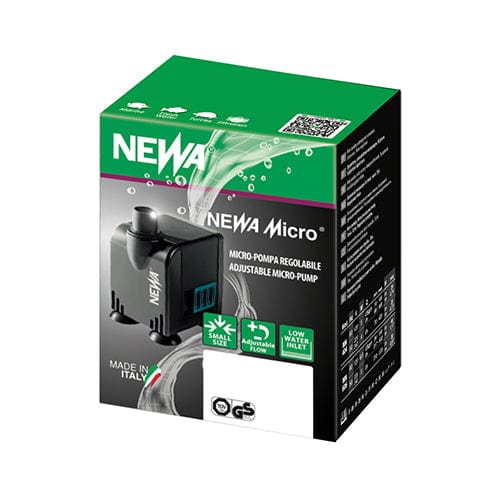
Submersible pumps sit in the tank, are quieter, self-priming and cheaper – the default for most grow rooms. Their one drawback is that the motor's waste heat goes into your nutrient solution, which matters in a warm room. Inline pumps sit outside the tank, keep their heat out of the water and handle higher pressure, but need priming and are noisier.
Keeping it alive
Never run it dry. The commonest way to kill a submersible pump. Watch the tank level.
Clean the inlet filter monthly. A clogged strainer looks exactly like a failing pump.
Watch the tank temperature. If a continuously running pump is pushing your reservoir over 22°C, run it on a timer or fit a chiller.
Keep a spare. A pump failure over a weekend is expensive; a spare pump is not.
We are a hydroponics shop in Croydon and we size these for customers every week. Tell us the lift height and the number of drippers and we will pick the pump. Discreet UK and European delivery, and excellent customer reviews on Trustpilot.