
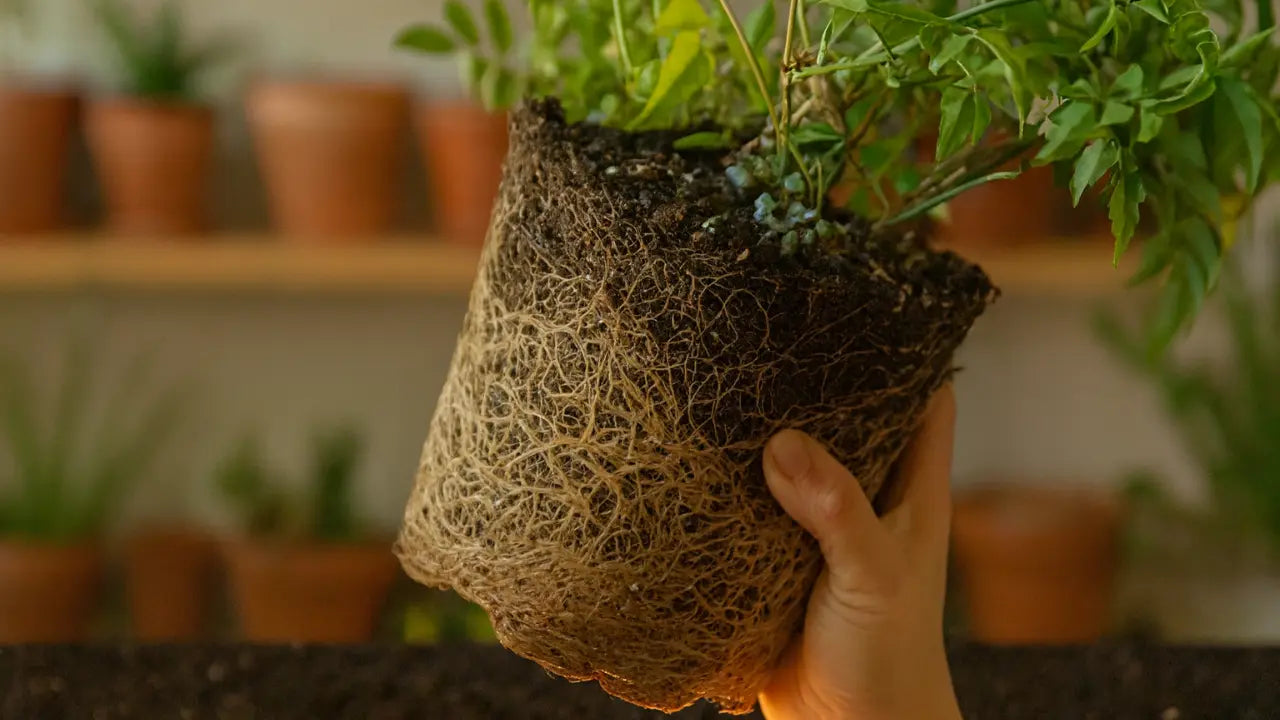
Root-Bound Plants: The Hidden Threat to Healthy Growth
Is your plant looking tired, stunted, or constantly thirsty? It might be root-bound—a condition where roots outgrow their container and begin circling the pot, leaving little room for soil, water, and nutrients. Don't leave it too late to repot! Timely intervention can mean the difference between thriving greenery and a plant in decline.
What Does “Root-Bound” Really Mean?
A root-bound plant has roots that have become densely packed inside its container, often forming a tangled mass. This restricts access to water and nutrients, reduces oxygen exchange, and can eventually lead to root death. According to Live to Plant, this condition can cause:
- Stunted growth and yellowing leaves
- Water draining too quickly through the pot
- Roots growing out of drainage holes or circling the soil surface
- Frequent wilting even after watering
How to Identify a Root-Bound Plant
Before repotting, confirm your plant is root-bound. Look for these signs:
- Roots poking out of drainage holes
- Soil dries out rapidly after watering
- Plant appears top-heavy or unstable
- Growth has slowed or stopped despite proper care
- Pot is bulging or cracking from root pressure
Why Repotting Matters
Repotting restores balance by giving roots space to expand, improving water retention, nutrient uptake, and overall plant vitality. It also helps prevent disease and pest issues that often arise from stressed root systems. Garden Down South recommends repotting every 1–2 years, especially for fast-growing species.
Step-by-Step Guide to Repotting
- Choose the Right Pot: Select a container 1–2 inches wider than the current one, with proper drainage holes.
- Prepare Your Workspace: Lay down a tarp or newspaper to catch soil spills. Gather tools like pruning shears, gloves, and fresh potting mix.
- Remove the Plant: Gently tilt the pot and slide the plant out. If stuck, use a butter knife to loosen the edges.
- Inspect and Loosen Roots: Tease apart circling roots with your fingers. Severely bound? Make shallow vertical cuts to encourage outward growth.
- Trim Dead or Damaged Roots: Use sterilized shears to remove mushy or overly long roots.
- Apply Mycorrhizae: Sprinkle beneficial fungi on the root ball and planting hole to boost root health and nutrient absorption. We recommend:
- Replant and Fill: Center the plant in the new pot and fill in with soil. Pat gently to avoid compacting.
- Water Thoroughly: Saturate the soil until water drains from the bottom. This settles the roots and hydrates the plant.
Aftercare Tips
- Place the plant in indirect light for 1–2 weeks to reduce stress
- Avoid fertilizing for 2–4 weeks—let roots recover first
- Monitor moisture levels—fresh soil retains water longer
- Watch for signs of transplant shock like drooping or leaf drop
Preventing Future Root Binding
Prevention is easier than cure. Here’s how to avoid root-bound issues:
- Repot regularly based on growth rate—typically every 12–18 months
- Use breathable containers like fabric pots or terracotta
- Refresh soil annually to maintain nutrient levels
- Incorporate mycorrhizal fungi during planting to support root structure
Why Mycorrhizae Matter
Mycorrhizal fungi form symbiotic relationships with plant roots, extending their reach and improving access to water and nutrients. They also help reduce transplant shock and boost resilience against stress. Products like Great White and Mykos are trusted by growers for their high spore counts and proven results.
Final Thoughts
Root-bound plants are a silent threat to your garden’s success. By learning to identify, treat, and prevent this condition, you’ll ensure your plants stay vibrant and productive. Whether you're growing herbs, ornamentals, or hydroponic crops, regular repotting and the use of mycorrhizae can make all the difference.
Healthy roots mean a healthy plant. Don’t wait until it’s too late—repot proactively and give your green companions the space they need to grow.


